
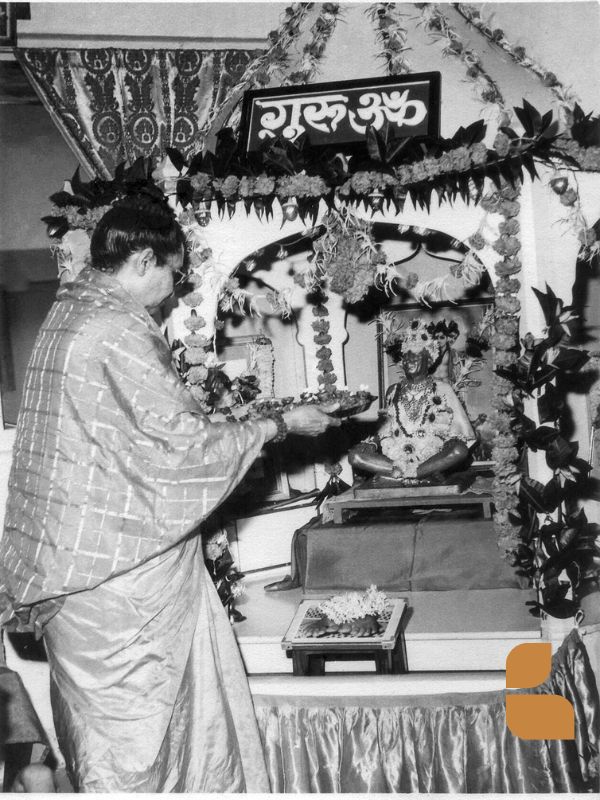
Mahayogi Swami
Umanand Saraswati
A Life of Spiritual Inquiry, Guru-Bhakti and Divine Knowledge
A Life Rooted in Spiritual Inquiry
Mahayogi Swami Umanand Saraswati, lovingly known as Tai among her devotees, was a revered spiritual personality whose life embodied devotion to the Guru, profound scriptural knowledge, meditation and dedicated spiritual practice.
She was born on 31 December 1916 in Sutala village, near Khamgaon, Maharashtra. Her birth name is recorded as Kashi Thosar in the institutional account.
From an early age, she displayed a keen interest in spirituality, religious literature and the deeper questions of life. Even while fulfilling her household responsibilities, she maintained a sincere commitment to spiritual inquiry and practice.
She encouraged people in her neighbourhood to study spiritual scriptures and reflect upon their teachings.
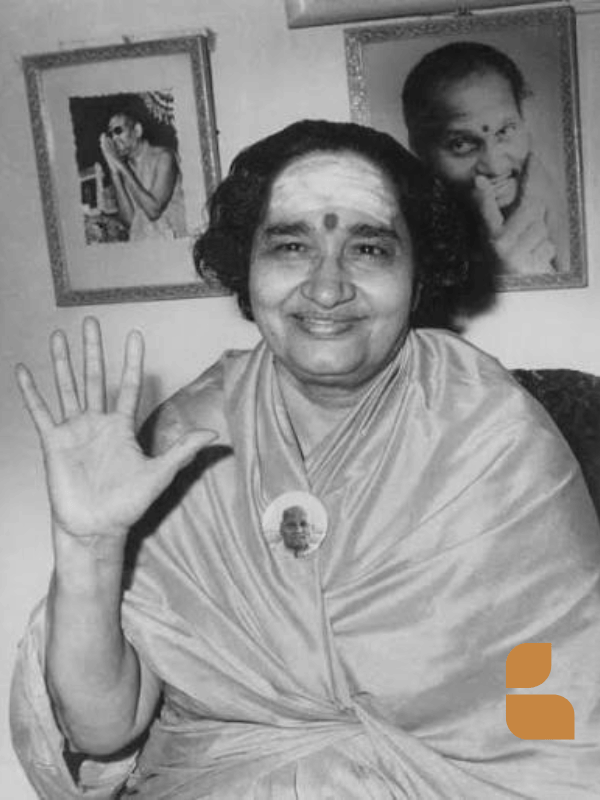
Birth
Born on 31 December in Sutala village, near Khamgaon, Maharashtra.
A Loving Name
Lovingly known as Tai by devotees, expressing their affection and closeness.
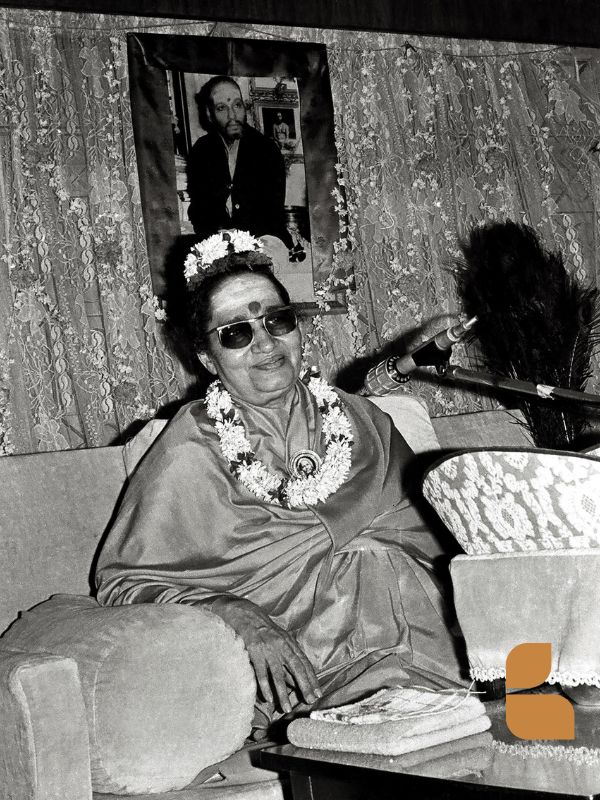
The Quest for Divine Knowledge
An important phase in Swamiji's spiritual development began with the study of the Shri Jnaneshwari, following the advice of Shree Mamasaheb Dandekar.
The Shri Jnaneshwari, the celebrated commentary on the Bhagavad Gita by Sant Dnyaneshwar Maharaj, became one of the principal sources of spiritual inspiration in her life.
In 1961, she began studying Vedanta under Swami Chinmayananda. Through sustained study and contemplation, she developed a profound interest in Atmajnana, the nature of consciousness and the relationship between spiritual wisdom and everyday living.
Her approach to sacred literature went beyond intellectual understanding. She encouraged seekers to study, contemplate and incorporate spiritual principles into their lives.
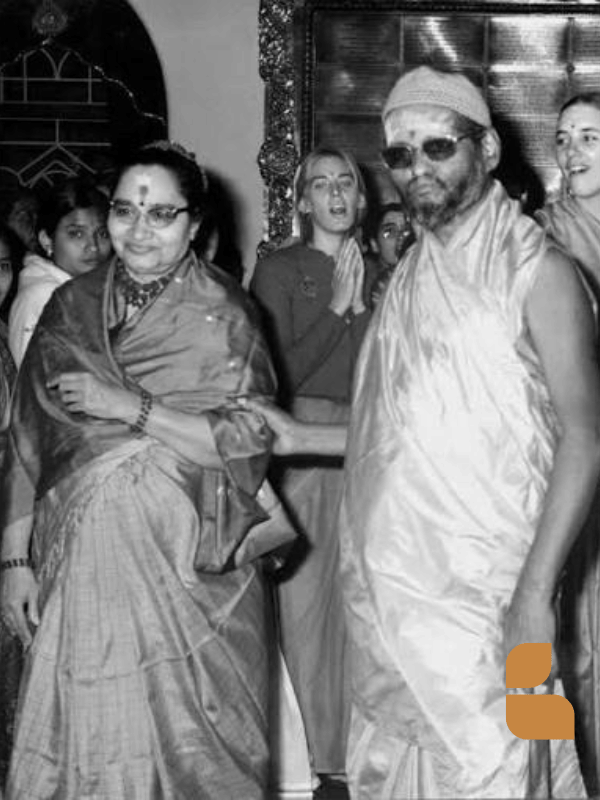
Meeting Gurudev Muktananda Baba
A defining moment in her spiritual journey came in 1968, when she met Gurudev Muktananda Baba of Ganeshpuri.
At the age of 52, Swamiji found the spiritual master she had been seeking. Under his guidance, she received spiritual initiation (Diksha) and devoted herself to the path of Guru-Bhakti-Yoga.
Her relationship with the Guru became the central foundation of her spiritual practice. Through devotion, surrender, meditation and disciplined sadhana, she pursued the path of inner transformation.
According to the institutional biography, Gurudev Muktananda Baba recognised her spiritual potential and authorised her to give Kundalini initiation to aspiring devotees.
The Path of Guru-Bhakti-Yoga
One of Swami Umanand Saraswati's most significant contributions was the propagation of Guru-Bhakti-Yoga—a spiritual path centred on devotion to the Guru, spiritual knowledge and dedicated practice.
Jnan – Knowledge
Studying sacred scriptures and developing an understanding of the Self.
Sadhana – Spiritual Practice
Cultivating meditation, discipline and regular spiritual practice.
Seva – Selfless Service
Serving the Guru and others with humility and dedication.
Bhakti – Devotion
Developing unwavering love, faith and surrender towards the Guru.
Harmony Between Worldly and Spiritual Life
Through this integrated approach, Swamiji encouraged devotees to progress spiritually while continuing to fulfil their responsibilities in the world.
She taught that worldly life (Prapanch) and spiritual life (Paramarth) are not necessarily opposing paths. With the right understanding and detachment, everyday responsibilities can become part of one's spiritual development.
Establishment of the Spiritual Mission
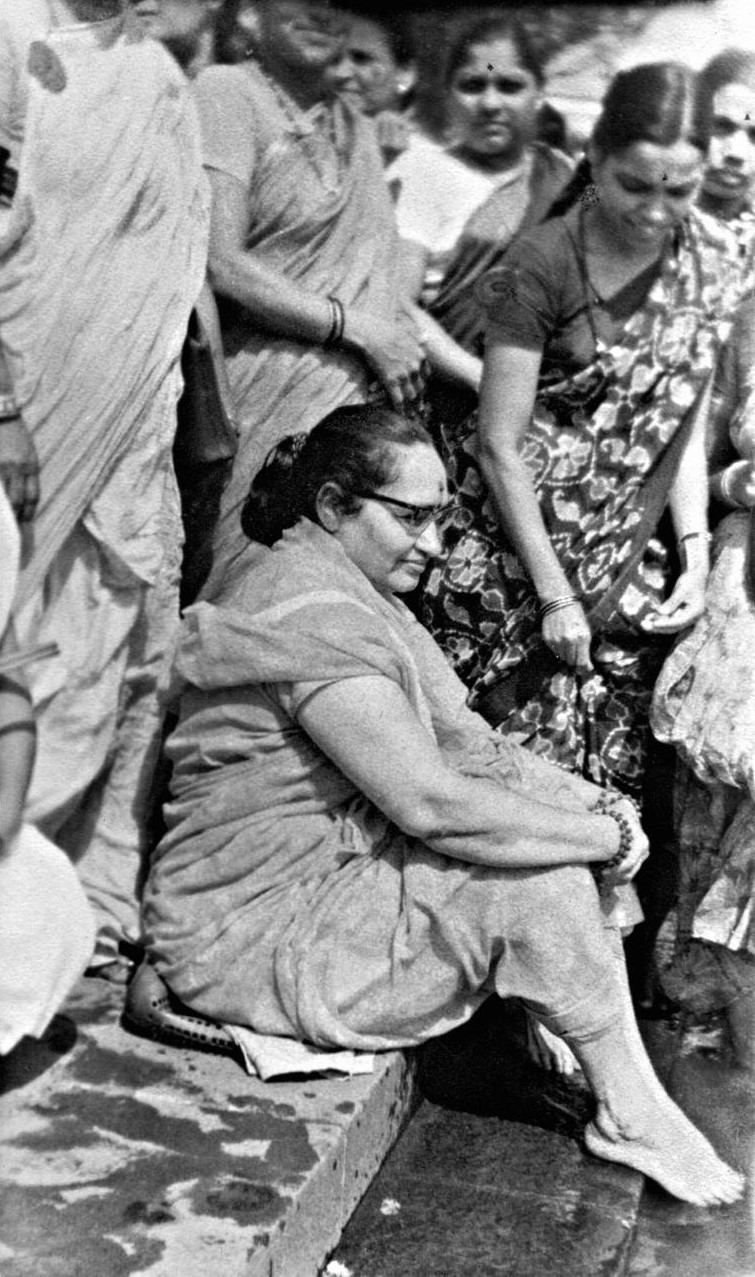
Following the guidance of Gurudev Muktananda Baba, Swamiji developed her spiritual activities in Mumbai.
In 1975, she established Shree Gurudev Dhyan Mandir Trust at Andheri, Mumbai, creating a centre for spiritual study, meditation, devotion and service.
Through this institution, she encouraged devotees to participate in regular spiritual activities and develop a deeper understanding of sacred literature.
The Spiritual Mission Included
- Teaching and interpreting spiritual scriptures.
- Encouraging meditation and regular sadhana.
- Conducting spiritual discourses and study sessions.
- Promoting Guru-Bhakti-Yoga.
- Guiding seekers in their spiritual development.
- Publishing spiritual literature through Shri Kusumeshwari Prakashan.
She also organised spiritual workshops at different places in India, helping people understand the importance of meditation, spiritual discipline and self-knowledge.
The Name Swami Umanand Saraswati
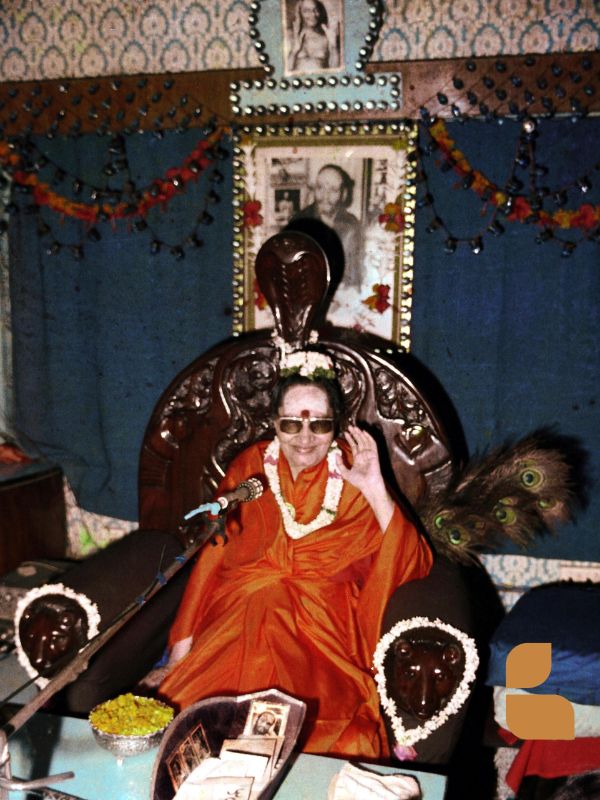
On 15 May 1978, Gurudev Muktananda Baba formally initiated her into the order of sannyasa.
Following this initiation, she became known as Swami Umanand Saraswati. Her new name reflected her dedication to spiritual knowledge and the pursuit of the Self.
She continued her spiritual mission with renewed commitment, guiding devotees through discourses, meditation, scriptural study and spiritual practice.
Her personality combined affection, discipline, knowledge and spiritual guidance. For her devotees, she was lovingly known as Tai.
The Spiritual Significance of Mahayogi
Swami Umanand Saraswati is remembered by devotees as Mahayogi for her extraordinary dedication to meditation, Guru-Bhakti and spiritual practice.
The institutional account describes a distinctive yogic phenomenon in which her hair naturally began turning upwards, forming a shikha-like structure. Her devotees associated this with yogic descriptions found in the sixth chapter of the Shri Jnaneshwari.
This experience became an important part of the spiritual tradition surrounding her life.
Her spiritual identity was closely associated with the teachings of Kundalini Shakti, meditation and the path of Guru-Bhakti-Yoga.
Sharing the Wisdom of Sacred Literature
Swamiji shared her understanding of several important philosophical and devotional subjects through discourses and spiritual study sessions.
Scriptural Study
Shri Jnaneshwari, Vedanta, Shri Gurugeeta, Shri Gurucharitra and Amrutanubhav.
Philosophical Inquiry
Kashmir Shaivism and Vaicharik Kranti.
Guru-Bhakti-Yoga
Understanding devotion, surrender, Guru remembrance and spiritual development.
Kundalini and Meditation
Guidance in Kundalini Yoga, meditation and dedicated spiritual practice.
She particularly encouraged younger devotees to study Brahmavidya, the knowledge of the Self, and develop an interest in the deeper dimensions of spiritual life.
Literary Contributions and Published Works
One of the most enduring aspects of Swami Umanand Saraswati's legacy is her contribution to spiritual literature. She authored and prepared commentaries on important sacred texts, making their philosophical and spiritual teachings accessible to devotees and readers.
Shri Jnaneshwari As Understood
An extensive commentary on the Shri Jnaneshwari, presenting Swamiji's understanding of the teachings of Sant Dnyaneshwar Maharaj. The work is published in multiple English volumes.
Shri Gurugeetartheshwari
A commentary on the Shri Gurugeeta, exploring the importance of the Guru, Guru-Bhakti and the spiritual significance of devotion and meditation.
Shri Gurucharitra Bodheshwari
A Marathi commentary on the Shri Gurucharitra, presented in seven volumes, offering spiritual explanations and insights.
Siddhanteshwari
A work presenting spiritual principles associated with Guru-Bhakti and the path of spiritual development.
Shri Gurucharitra Siddhanteshwari
A commentary presenting the spiritual principles and teachings associated with the Shri Gurucharitra.
Guru Paduka Archana Arthat Guru Smaraneshwari
A work associated with the worship and remembrance of the Guru's sacred sandals, reflecting the importance of Guru Smaran in spiritual practice.
Shri Guru Mahimaneshwari
A literary contribution exploring the greatness and spiritual significance of the Guru.
Shri Kundaleshwaricha Vivah
One of her early literary works, describing the journey of awakened Kundalini Shakti from the Muladhara Chakra towards Sahasrara through the symbolic union of Shakti and Shiva.
Worldly Life and Spiritual Fulfilment
A central message associated with Swamiji's teachings was that worldly life and spiritual life could be harmoniously integrated.
She demonstrated through her own journey that fulfilling family and social responsibilities does not necessarily prevent spiritual progress.
According to the philosophy she taught, sincere effort, devotion, self-discipline and detachment can help an individual discover deeper spiritual fulfilment.
The Practices She Encouraged
- Faith and devotion towards the Guru.
- Regular study of sacred literature.
- Meditation and spiritual discipline.
- Humility and selfless service.
- Detachment from excessive worldly attachment.
- Continuous inquiry into the nature of the Self.
Her teachings placed particular importance on the Guru's guidance as a foundation for spiritual progress.
A Legacy of Guru-Bhakti and Wisdom
Mahayogi Swami Umanand Saraswati attained Mahasamadhi on 1 March. The institutional biographical records contain a discrepancy regarding the year, with 1984 appearing on one official page and 1985 in the detailed biography.
Following her Mahasamadhi, a Samadhi Mandir was established at Nashik, Maharashtra, in accordance with her directions.
Her spiritual legacy continues through the institutions, literature, recorded discourses and devotional activities associated with her mission.
Shree Gurudev Dhyan Mandir in Andheri, Mumbai, and Shree Gurudev Ashram at Nashik remain important places associated with her spiritual heritage.
According to the institutional account, Swamiji did not appoint a successor. Her organisation continues its activities through devotees and the institutions established during her spiritual mission.
The Journey Continues Through Her Teachings
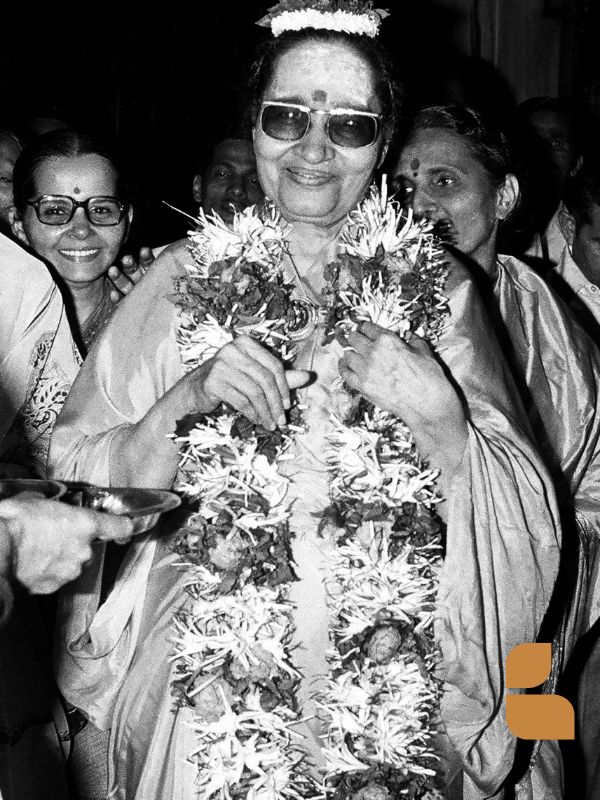
The life of Mahayogi Swami Umanand Saraswati represents a remarkable journey of spiritual inquiry, perseverance, devotion and service.
From her early study of the Shri Jnaneshwari and Vedanta to her meeting with Gurudev Muktananda Baba, her initiation into sannyasa and her work in spiritual teaching and literature, each phase of her life reflected a deep commitment to spiritual knowledge.
Through Guru-Bhakti-Yoga, she encouraged seekers to unite knowledge with devotion, study with practice and spiritual understanding with everyday living.